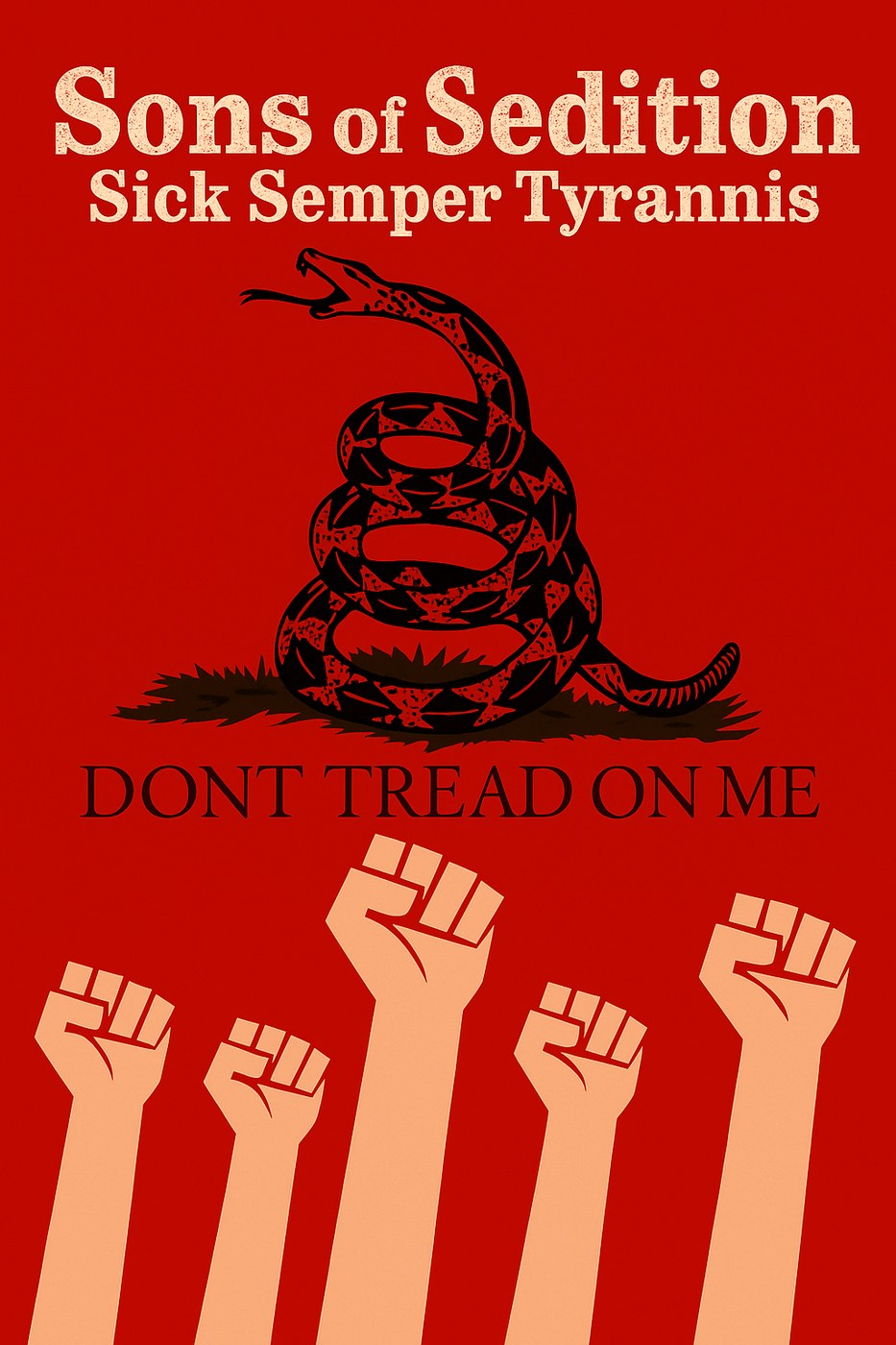
In November 1787, from Paris, Thomas Jefferson wrote a letter to his friend William Stephens Smith, and one line of it has been carried on placards and printed on shirts ever since. The tree of liberty, he wrote, must be refreshed from time to time with the blood of patriots and tyrants.
Everyone knows the line. Almost no one reads the letter.
Read it. Massachusetts had just put down the uprising of indebted farmers the histories call Shays' Rebellion, and the men drafting the new Constitution in Philadelphia were frightened by it. Jefferson was not. He asked a question that every institution of this Republic should have to answer on its own letterhead: "what country can preserve it's liberties if their rulers are not warned from time to time that their people preserve the spirit of resistance?"
That is the warning. It is addressed to the rulers, not the ruled.
Now read the sentence that comes before the one everyone quotes. "The remedy is to set them right as to facts, pardon and pacify them."
Facts. Pardon. Peace. The man who wrote the line about blood prescribed, in the same breath, the remedy for discontent, and it was information and mercy. He feared the opposite condition far more than he feared a riot. A people who stay quiet under their misconceptions, he wrote, fall into "a lethargy, the forerunner of death to the public liberty."
So hear it, the way the Corps holds it. The tree of liberty does not demand carnage. It demands courage. It withers in complacency and thrives when conscience outweighs convenience. Anyone who quotes the manure and skips the remedy has not read Jefferson. He has read a placard.
The Republic tested the warning within eleven years. On 14 July 1798, President John Adams signed the Sedition Act. It made it a federal crime to "write, print, utter or publish" any "false, scandalous and malicious writing" against the government, either house of Congress or the President, with intent to bring them "into contempt or disrepute." The penalty was a fine of up to two thousand dollars and up to two years in prison.
They used it. That October, a federal grand jury in Vermont indicted a sitting congressman, Matthew Lyon, for letters he had published criticizing the administration. He was convicted, fined $1,000 and sentenced to four months. From his cell he wrote an account of his trial, and from his cell his district reelected him.
The legislatures of Virginia and Kentucky answered with resolutions declaring the law unconstitutional. Madison drafted Virginia's. Jefferson, then Vice President, drafted Kentucky's. [UNVERIFIED] The Act carried its own expiration date, 3 March 1801, the day before Jefferson took the oath as President. [UNVERIFIED]
Then he kept the warning. Years later he explained it to Abigail Adams: "I discharged every person under punishment or prosecution under the Sedition law, because I considered & now consider that law to be a nullity as absolute and as palpable as if Congress had ordered us to fall down and worship a golden image."
Here is the modern meaning, and it is the oldest one. Sedition, as the institution uses the word, is whatever makes the people in charge look small. Under the Act of 1798 it meant a published letter. It never meant a musket. The crime was speech that brought the government into contempt, and the remedy the government reached for was a cell.
Jefferson's remedy ran the other way. Set the facts right. Pardon. Pacify. Keep the people awake enough that the rulers stay warned. That is the whole discipline of this movement: the record, the filing, the vote, the open letter, the plain name for a plain wrong. We keep the spirit of resistance the way a watchman keeps a lamp, not the way an arsonist keeps a match.
Sapere aude. Dare to know. Horace wrote it for a man putting off the work of his own life, and the Enlightenment took it for a motto. [UNVERIFIED] It is still the most seditious instruction a citizen can follow.
The rulers were meant to be warned. Consider this the warning, delivered the way Jefferson advised: with facts.
— Hold the line.